POST TRAINING
Nutrition
for Performance
contents
Chapter
01
Carbs for Growth
Chapter
02
Protein for Repair
Chapter
03
Salts / Minerals Restoration

Chapter
01
Carbs
for Growth.
01
Carbs for Growth.
When it comes to post-training recovery, carbohydrates play a crucial role. They not only aid in replenishing calories but also support insulin spiking, which is beneficial for growth hormone release. Typically, we aim to avoid sharp insulin spikes throughout the day, but this changes after training. Generating an insulin spike post-training initiates a series of processes in our bodies that kickstart the recovery phase. Therefore, we should focus on easily digestible, simple carbohydrates. These can be consumed in a shake or as a standalone item. As a general guideline, aim for 1g of carbs for every 3lbs of body weight (e.g., 60g carbs for a 180lb athlete). If your goal is fat loss, reduce this to 1g for every 5lbs.
good options:
- Banana’s - the big dawg of post training carbs.
- Cereals - try go for high fibre for extra win!
- Rice - great for easy digestion.
- Potatoe’s - a good choice for satiety too!
- Yoghurts w/ fruit - simple and quick!


Chapter
02
Protein
for Repair.
02
Protein for Repair.
In the realm of training nutrition, protein is widely recognized as crucial for growth and repair. While there is often a strong focus on protein intake post-training, the truth is that a large quantity is not necessary. As mentioned earlier, carbohydrates should take precedence. However, incorporating protein into your post-training nutrition can significantly aid in the recovery process. Contrary to common belief, immediate consumption is not mandatory. Studies show that consuming protein within 90 minutes of training still offers all the benefits and is gentler on our digestive systems!
To simplify, aim for 1g of protein per 5lbs of body weight. This rule applies to both performance and weight loss objectives.
good options:
- Protein Powder - simple and quick.
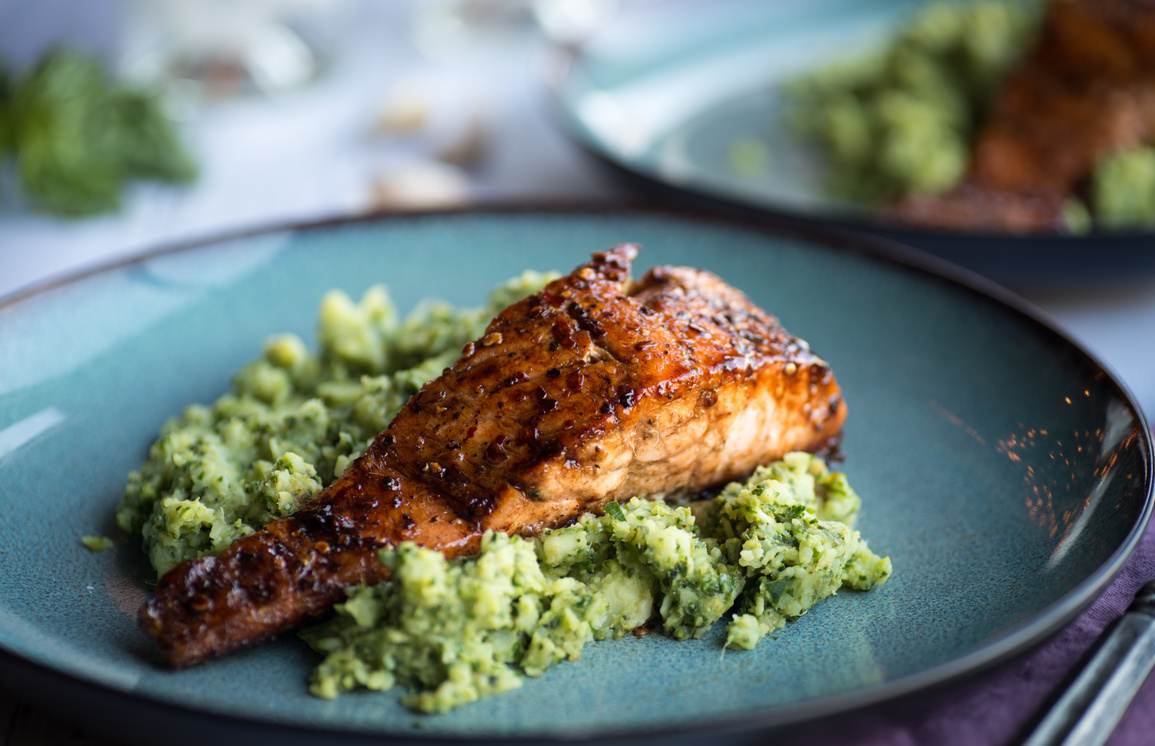
- Fish - great source of lean protein.
- Greek Yohurt - easily digested.
- Red Meat - great if looking for bulk.
- Oily seafood - extra benefits of omega-3's

Chapter
02
Salt / Minerals Restoration.
03
Salt /Minerals Restoration.
Often overlooked, the replenishment of salt and minerals during our day / post training is vital for our recovery and health. Sodium, potassium, selenium, and magnesium all have crucial roles in our bodies, such as neuron development, ATP production, blood pressure regulation, and even hormone synthesis.
While many opt for pre-workout or intra-workout drinks, those focused on optimizing human performance lean towards more natural, salt and mineral solutions after training. Typically, this should be consumed right after your session, before recovery shakes or meals, to allow for cellular uptake before food intake.
good options:
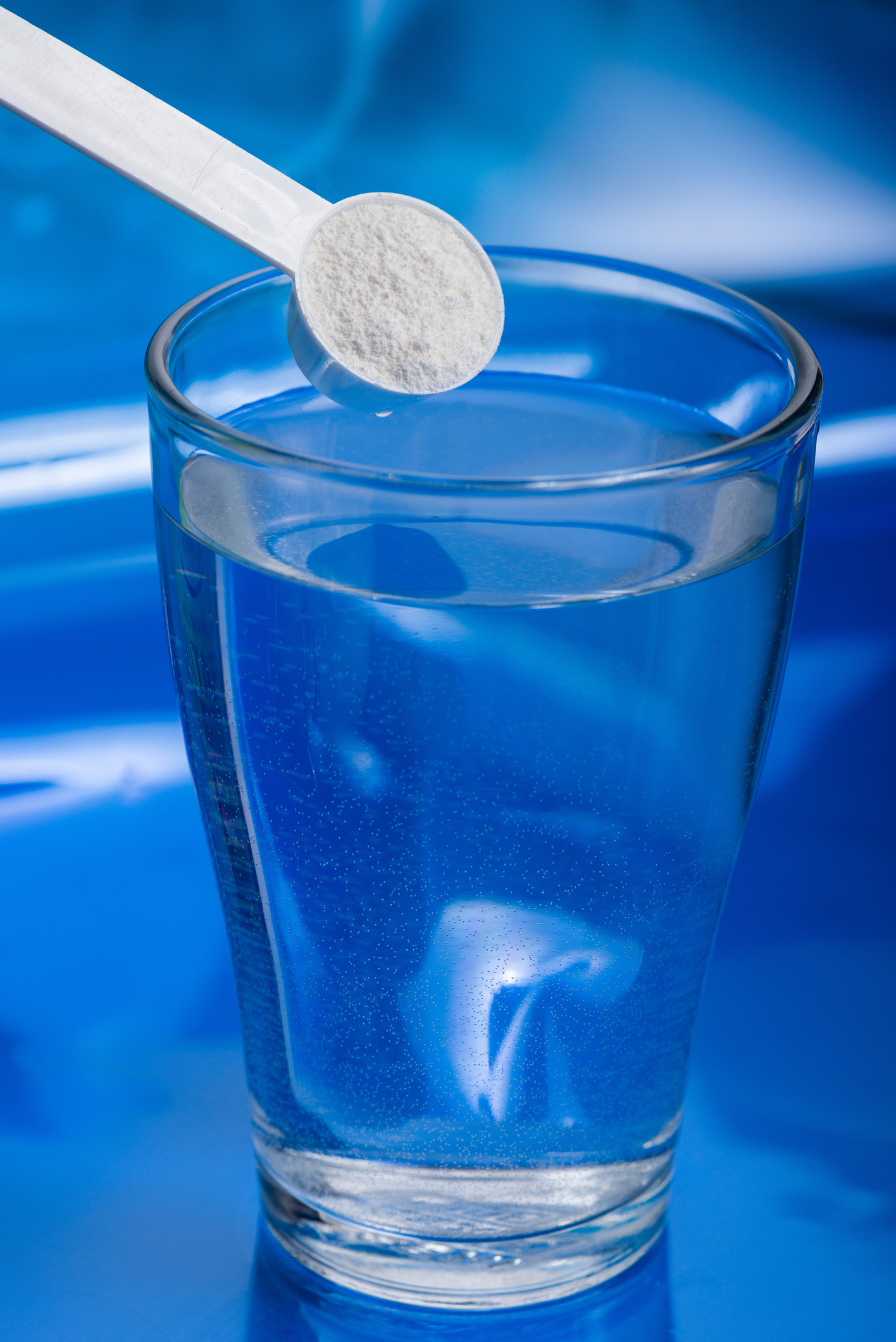
- Kinetica - Electrolytes powder.
- ZMA Tablets - consumed before bed each night.
- Sea salt - added to a cordial drink.
- Vitamin D3 - 2 sprays each morning.
- Vit C - 2000-3000mg per day via dissolveable tablet